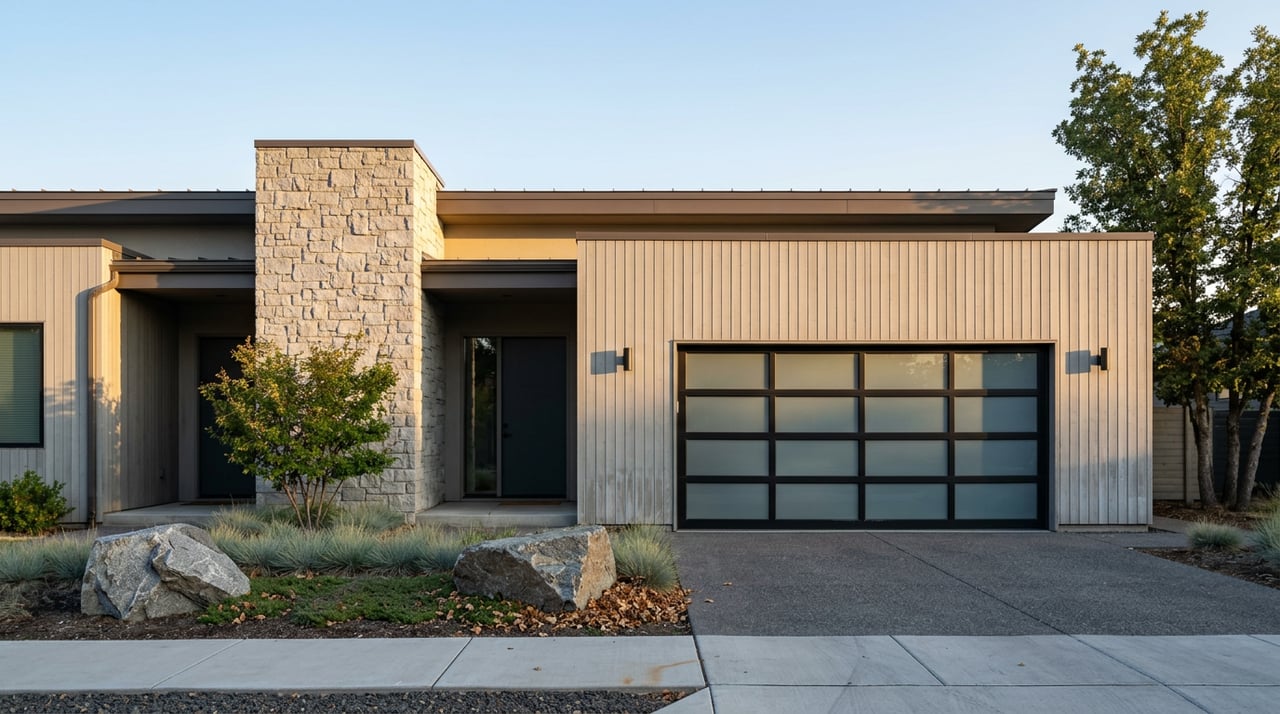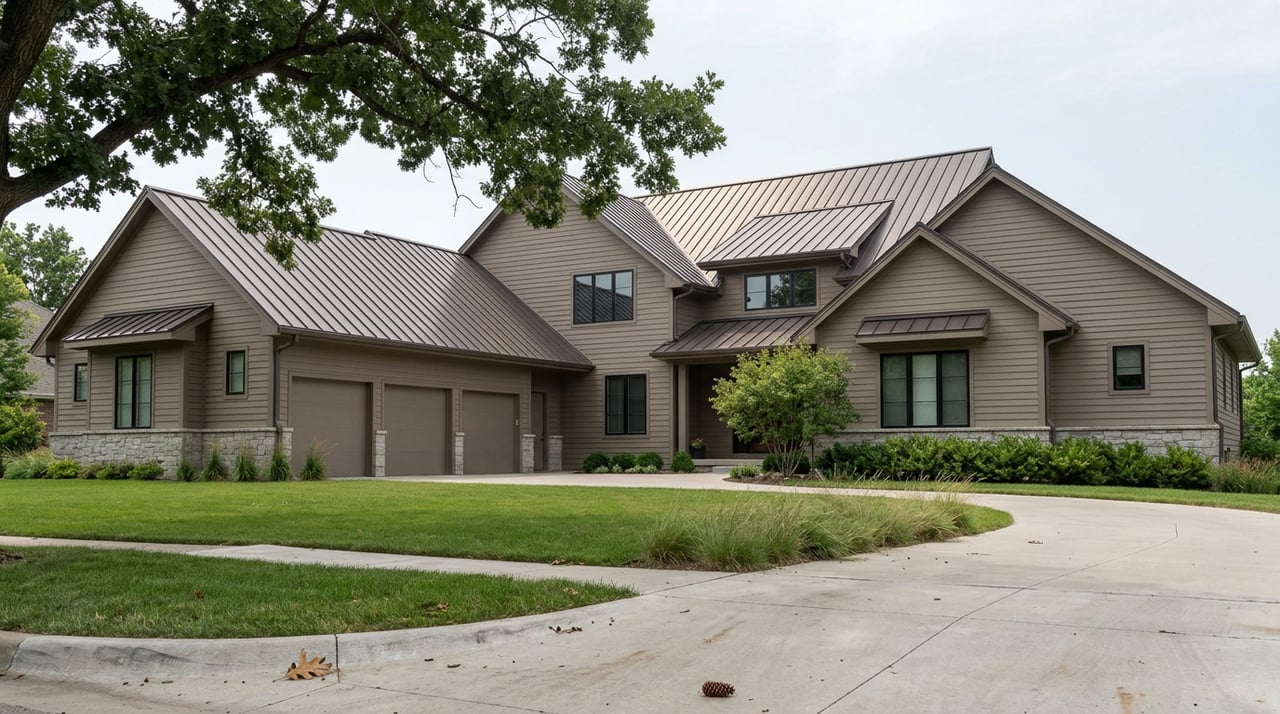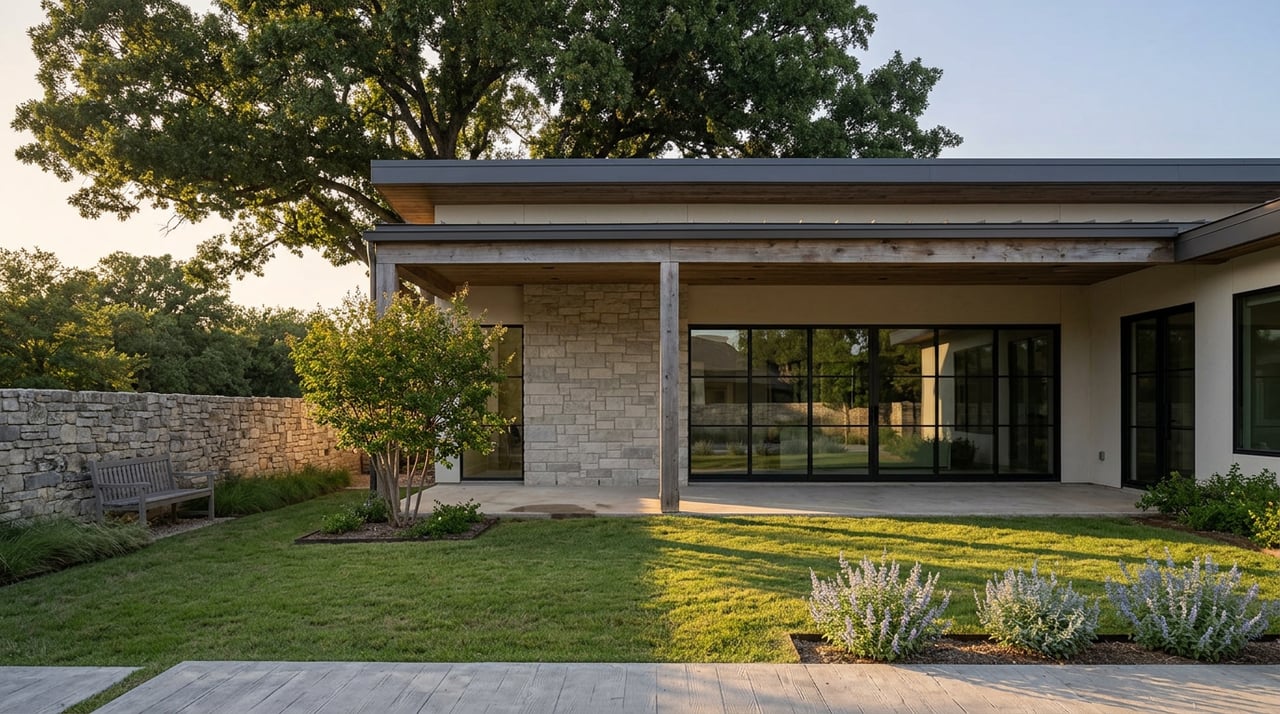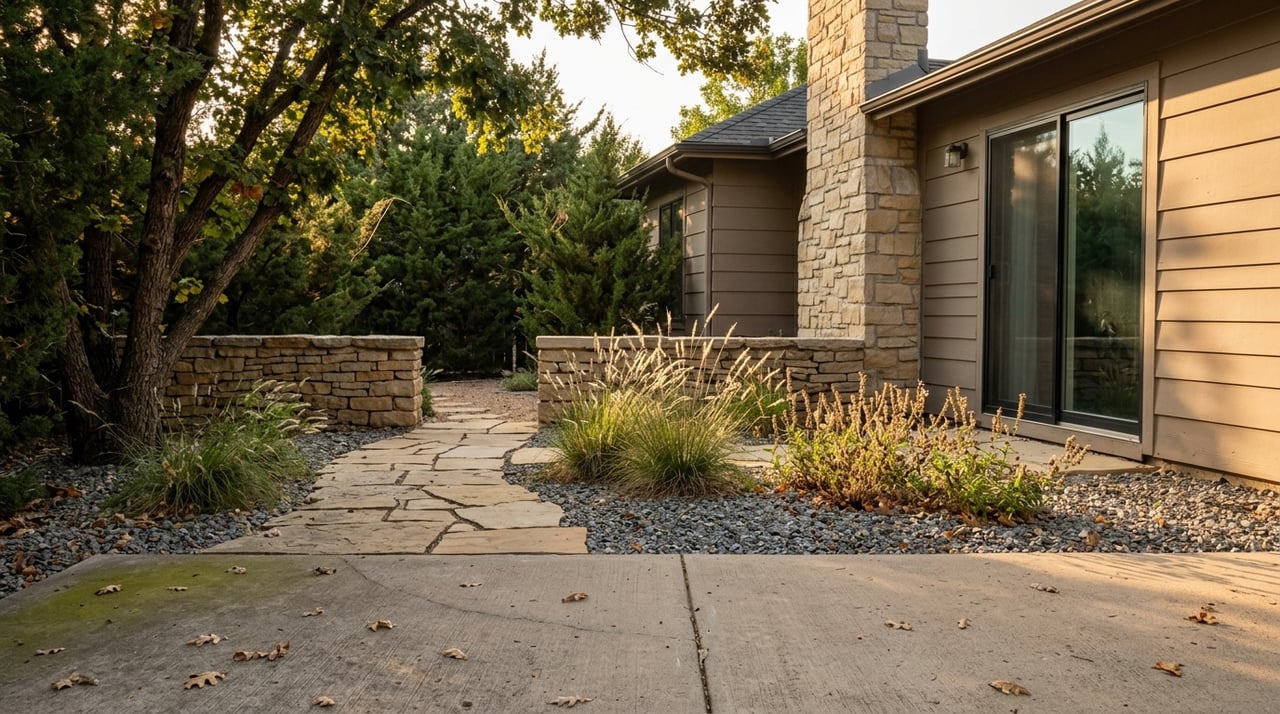
Wondering why some Wellington homes seem to get strong attention quickly while others sit for weeks? In a market where asking prices are often around the high-$400,000s to about $500,000 and homes may spend roughly 39 to 42 days on market, the difference often comes down to two things: pricing and preparation. If you want to sell with less stress and a stronger strategy, it helps to understand what buyers are seeing and how to position your home before it goes live. Let’s dive in.
Wellington Pricing Starts With Today’s Market
Wellington is part of a growing area in northeast Larimer County, and the town’s planning documents make it clear that growth is being guided through long-range planning and land-use tools. That matters when you sell because nearby development, newer inventory, and changing buyer expectations can shape how your home compares in real time.
Public market trackers place Wellington around the high-$400,000s to about $500,000 in asking price, with about 99 homes for sale. Broader Larimer County figures are higher, with a median sale price near $555,000 and an average home value around $552,909. For you, the takeaway is simple: buyers have options, so a smart list price matters.
Why Overpricing Can Backfire
It is easy to think you can test the market by pricing high and adjusting later. In practice, that approach can cost you early momentum, especially when buyers are comparing your home to others that feel move-in ready and correctly priced from day one.
In Wellington, condition and presentation can materially affect how quickly a home attracts attention. If your home enters the market overpriced and underprepared, buyers may scroll past it or wait to see if the price drops. A more precise strategy can help you stand out sooner.
How To Read Wellington Comps
Start Close To Home
Comparable sales work best when they truly resemble your property. That usually means looking first at recently sold homes in your neighborhood or subdivision, then considering homes that are under contract or currently active to understand current competition.
A useful comp is not just nearby. It should also be similar in size, style, age, lot characteristics, garage space, basement area, finishes, and overall condition. In a town like Wellington, small differences can change buyer perception quickly.
Adjust For Real Differences
Two homes with the same bedroom count may still have very different market appeal. A larger lot, updated kitchen, finished basement, newer roof, or stronger curb appeal can influence value, while dated finishes or visible wear can pull it down.
Larimer County’s assessor also looks at factors like location, square footage, basement area, style, quality, garage size, and lot features. That is a good reminder that pricing is never just about the zip code. It is about how your home compares on the details buyers notice.
Do Not Rely On Assessed Value Alone
Your county assessed value can be useful background information, but it is not the same as a current market value. Larimer County uses a two-year reappraisal cycle, and for the 2025 to 2026 cycle it relied on 24 months of sales data from July 1, 2022 through June 30, 2024, then time-adjusted those sales to the end of the study period.
That means the assessed number may lag today’s buyer behavior. If you are preparing to sell now, a live comparative market analysis is more useful than treating the tax record as your pricing plan.
What Buyers Notice First
Before buyers care about your upgrades list, they react to what they see and feel. A home that looks clean, bright, and well maintained tends to make a stronger first impression online and in person.
That is especially important in a market where homes are not selling instantly. If buyers feel your home is easy to understand, easy to imagine living in, and easy to maintain, you are more likely to hold their attention.
Prep In The Right Order
Declutter And Clean First
If you want the biggest payoff for the least disruption, start here. A practical pre-listing sequence is to remove clutter and clean first, then address visible curb-appeal items and cosmetic fixes, and only after that move to staging and photography.
That order matters because every later step works better when the home is already simplified and clean. Professional photos, showings, and staging all benefit when surfaces are clear and rooms feel open.
NAR’s 2025 staging data supports this approach. The most common recommendations were:
- Decluttering the home
- Entire-home cleaning
- Improving curb appeal
Focus On Visible Cosmetic Fixes
You do not always need a major remodel to improve your sale position. In fact, the most commonly recommended pre-sale projects in NAR’s 2025 remodeling data were painting the entire home, painting one room, and replacing roofing when needed.
For most Wellington sellers, modest cosmetic and exterior updates deserve priority over large renovations unless there is a clear defect or a room so dated that it hurts showings. Fresh paint, simple repairs, and a cleaner exterior often do more for buyer confidence than an expensive project with limited payoff.
Improve Curb Appeal Early
Your exterior sets the tone before a buyer opens the front door. If the yard looks neglected or the entry feels worn, buyers may expect deferred maintenance inside too.
Simple improvements can make a meaningful difference:
- Refresh mulch or rock where needed
- Trim overgrowth and remove dead plant material
- Touch up the front door or consider replacing it if it is worn
- Pressure wash walkways and the driveway if needed
- Make sure exterior lighting and house numbers are clean and visible
NAR’s 2025 Remodeling Impact Report found especially strong buyer appeal for projects like a front door, garage door, exterior siding, and kitchen or bath refreshes. It also reported a 100% cost-recovery figure for a new steel front door.
When Staging Is Worth It
Staging is not about making your home look fancy. It is about helping buyers understand the space, scale, and function of each room.
NAR’s 2025 staging report found that 60% of buyers’ agents said staging affects most buyers’ view of a home most of the time. It also found that 83% said staging helps buyers visualize the property as their future home.
If you are deciding where to focus, the most commonly staged rooms were:
- Living room
- Primary bedroom
- Dining room
- Kitchen
The same report showed that 17% of buyers’ agents said staging increased the offered dollar value by 1% to 5%, while 30% of sellers’ agents reported slight decreases in time on market when a home was staged. That does not mean every home needs full-service staging, but it does support thoughtful visual presentation.
Photography Should Come Last
Once the home is clean, repaired, and styled, photography can do its job. If photos happen too early, they may capture clutter, unfinished projects, or features you meant to improve.
For a boutique brand like Vennarealty, presentation is part of the strategy, not an afterthought. Strong visuals help your pricing story make sense to buyers because the online experience and the in-person experience feel consistent.
Selling And Buying At The Same Time
Many sellers in Wellington are not just selling. They are also trying to buy their next home. That creates a timing puzzle that involves cash flow, moving logistics, financing, and closing coordination.
A good first step is to budget for the full picture, not just your expected sale proceeds. Fannie Mae notes that sellers should factor in home-improvement costs, closing costs, and moving expenses. That helps you avoid getting surprised halfway through the process.
Keep Your Financing Plan Current
If you are buying your next home after the sale, your loan strategy needs to stay current as your search evolves. CFPB recommends comparing loan choices, meeting with multiple lenders, getting preapproval, and keeping your monthly payment, interest-rate expectations, and down-payment and closing-cost estimates updated as you shop.
This matters if your buying power depends on your sale proceeds or if rates shift while your home is on the market. Clear numbers help you make stronger decisions under pressure.
Understand The Closing Process
When closing arrives, your sale and purchase may happen very close together or even on the same day. Title and escrow providers are part of that process, and reviewing documents carefully is important.
Fannie Mae and CFPB both emphasize understanding your closing documents before signing. Depending on the transaction, that may include the loan estimate, closing disclosure, deed, note, title search, and any contingencies tied to the contract.
Do Not Overlook Colorado Disclosures
Pre-listing prep is not just about paint and photos. In Colorado, paperwork is part of preparation too.
The Colorado Real Estate Commission residential seller’s property disclosure form must be completed based on your current actual knowledge. If you later discover a new adverse material fact, the form should be updated promptly. The form is intended to be completed by you as the seller, not by the broker.
If your home was built before 1978, federal law also generally requires lead-based paint disclosures. Sellers are not required to inspect or pay for a lead test, but buyers must be given a 10-day period to test for lead-based paint hazards.
A Smarter Wellington Selling Strategy
The best selling plan is usually not the most expensive one. It is the one that matches your home, your timeline, and the current Wellington market.
That often means pricing from live comps instead of leaning on assessed value, handling the prep items buyers notice first, and presenting the home clearly from the start. In a market where well-prepared homes can stand out, a measured strategy often works better than over-improving or overpricing.
If you are getting ready to sell in Wellington, the right guidance can help you decide what to fix, what to skip, and where to price with confidence. For a tailored pricing and presentation strategy backed by Northern Colorado market insight, connect with Venna Hillman.
FAQs
How should you price a home in Wellington, CO?
- Start with recent comparable sales in your neighborhood or subdivision, then adjust for size, lot, age, finishes, garage space, basement area, and condition. A current CMA is more useful than relying on assessed value alone.
What home improvements matter most before selling in Wellington, CO?
- The most practical first steps are decluttering, deep cleaning, improving curb appeal, and handling visible cosmetic fixes such as paint and minor repairs. Major remodels are not always necessary unless a clear defect or very dated space is hurting buyer interest.
Is staging worth it when selling a house in Wellington, CO?
- It can be. NAR’s 2025 data found that staging helps many buyers visualize a home and may slightly reduce time on market, with living rooms, primary bedrooms, dining rooms, and kitchens among the most commonly staged spaces.
Can you use Larimer County assessed value to set your list price?
- It is useful as background, but it is not a substitute for current market pricing. Assessed values are based on the county’s reappraisal process and may not fully reflect today’s buyer demand or competing inventory.
What disclosures do sellers need when listing a home in Colorado?
- Colorado sellers should complete the state residential seller’s property disclosure form based on current actual knowledge and update it if new adverse material facts are discovered. Homes built before 1978 generally also require lead-based paint disclosures and a 10-day buyer testing period.