Torn between a charming Old Town bungalow and a sleek home in a newer Fort Collins community? As a move-up buyer, you want more space, better flow, and a location that fits your daily routine without surprises. This guide gives you clear comparisons, local examples, and a step-by-step plan to help you weigh character against convenience and make a confident choice. Let’s dive in.
Fort Collins market snapshot
Citywide pricing has held in the mid-500s. As of January 2026, Redfin reported a median sale price near $545,000 for Fort Collins, with inventory and days on market higher than the mid-2020s peak seller market. You’ll still see faster tempo near central, highly walkable pockets and more variation in the suburbs. Recent reports also show typical price per square foot ranging about $259 to $293, which helps frame the tradeoff between smaller-but-prime older areas and larger, newer homes at a lower price per square foot. You can explore current trends on the Fort Collins market page from Redfin’s latest reporting.
Established vs newer: what you trade
Older, established neighborhoods usually offer stronger location perks and a distinct look and feel. You tend to get mature trees, walkable blocks, and proximity to restaurants and CSU. In exchange, you often pay a higher price per square foot and should budget for near-term maintenance.
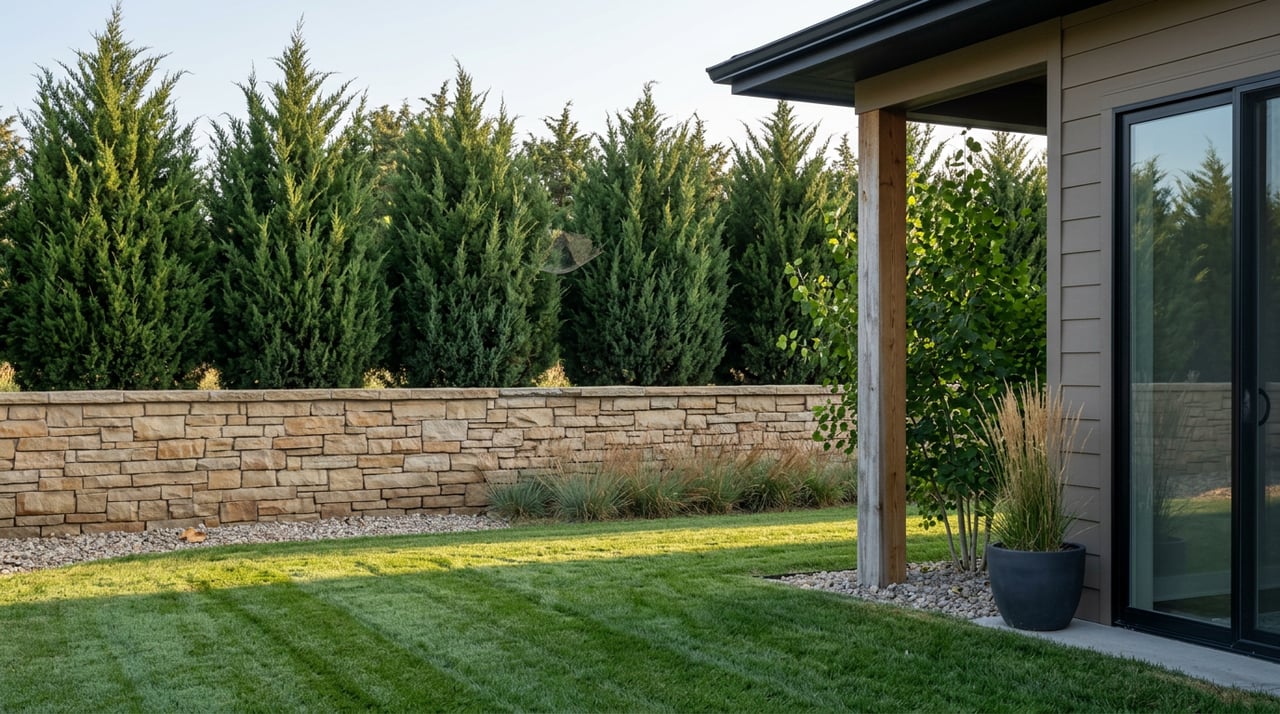
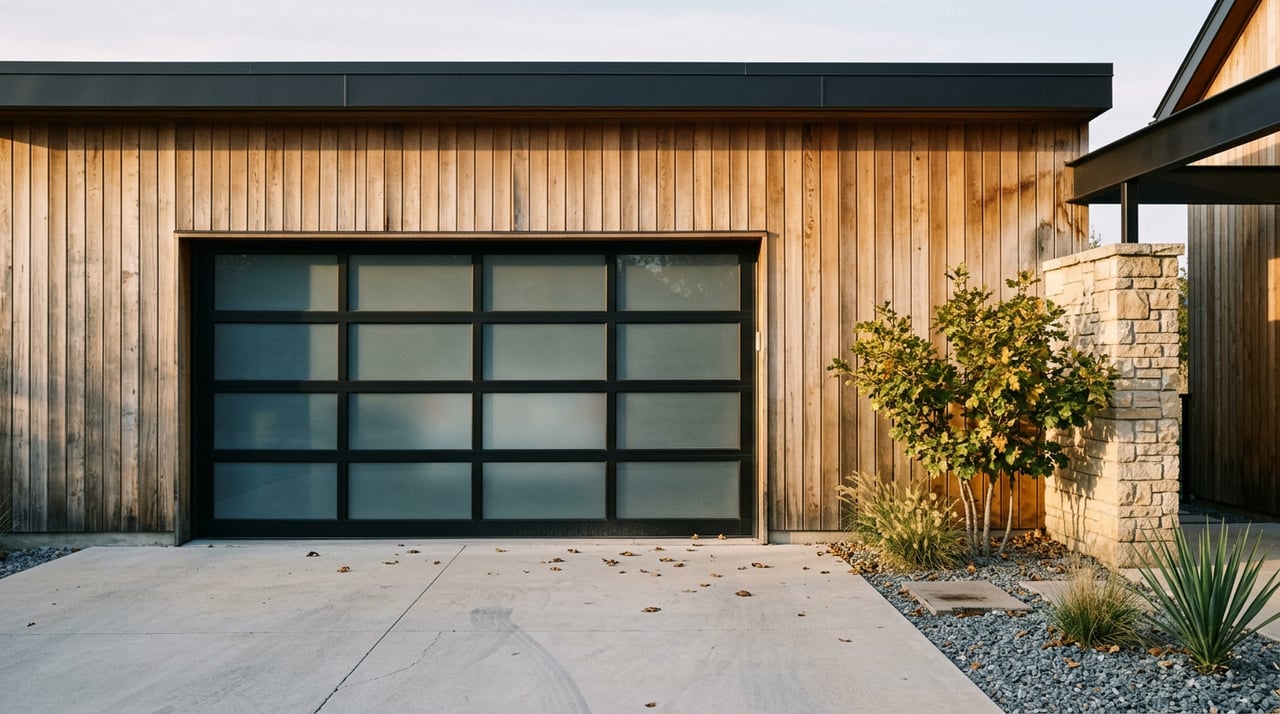
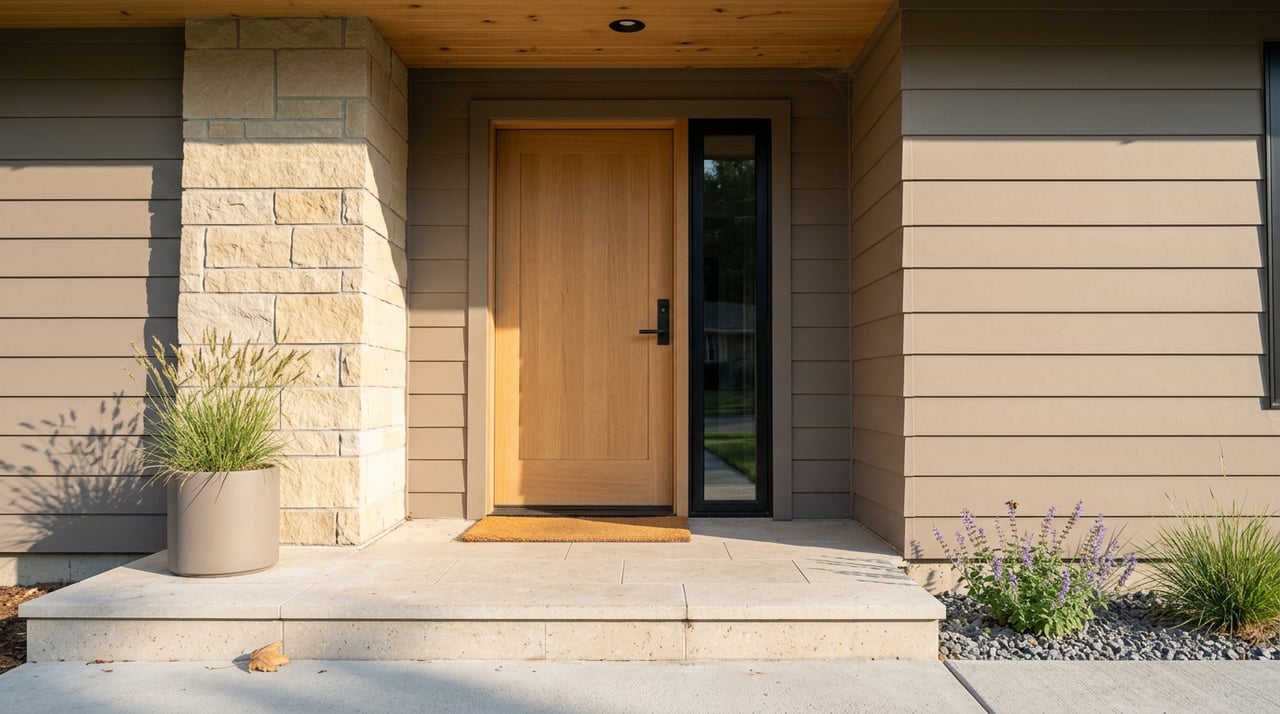
Newer, planned communities typically deliver more square footage, open floorplans, energy-efficient systems, and consistent streetscapes with HOA-maintained amenities. You’ll trade some of the “one-of-a-kind” character and deep canopy for predictability, larger living areas, and lifestyle features like trails and pools.
Quick lens to compare:
- Price per square foot and finished square footage
- Renovation exposure and system ages
- HOA fees, rules, and what’s covered
- Walkability, transit, commute routes, and yard size
Neighborhood examples you can picture
Established example: Old Town and City Park area
- What it feels like: Early-20th-century homes, mid-century ranches, porch culture, and mature tree canopy. You’ll find high walkability to dining, breweries, and events.
- Pricing pattern: These pockets often command a premium per square foot compared to the city average. See market context for Old Town North on Realtor.com’s neighborhood page.
- Renovation watch-outs: Plan for roof, HVAC, electrical panel upgrades, plumbing updates, windows, and potential legacy materials in older homes. If you consider a home within a historic district or landmark, design review can apply. Review the City’s Historic Preservation resources early so you know what exterior changes need approval.
Newer example: Kechter Farm
- What it feels like: A master-planned pocket with modern floorplans, newer systems, and HOA-maintained amenities like a clubhouse, pool, and trails. Most homes were built in the late 2010s to 2020s.
- Pricing pattern: More finished square footage for the overall price compared with central historic areas, often at a lower price per square foot.
- Ownership to-dos: Review HOA dues and what they cover, the reserve study, and any rental or parking rules. Explore the neighborhood overview to get a sense of product and amenities in Kechter Farm.
Newer mixed example: Rigden Farm
- What it feels like: A blend of single-family and attached homes, parks, trails, and planned amenities. Layouts tend to be more open, with efficient use of space.
- Pricing pattern: More predictable pricing and product types. Many buyers appreciate the balance of newer systems with convenient east-side access to arterials.
- Ownership to-dos: Ask for full HOA documents and budget details, confirm coverage for exterior maintenance on attached homes, and review any assessment history before you write.
Price per square foot vs. total value
A common pattern in Fort Collins is smaller historic homes at a higher price per square foot, while newer suburbs deliver more space for a similar total price. Your best comparison is the monthly all-in cost, not just list price. Build your worksheet to include:
- Principal and interest
- Property taxes and insurance
- HOA fees (if any) and what they cover
- Estimated maintenance and upcoming system replacements
For taxes and valuation context, keep an eye on the Larimer County Assessor’s Notices of Value and reappraisal updates. You can find countywide notes and timing in the Assessor’s recent NOV spotlight.
Daily life: schools, commute, and walkability
Established central neighborhoods often put you close to Old Town amenities, MAX stations, and an extensive bike network. Newer communities typically sit near arterials like Harmony, Mulberry, and I-25, which can be helpful for regional commuting. For bus rapid transit, local routes, and regional options like FLEX and Bustang, start with the regional transit overview. If school assignments factor into your choice, check Poudre School District boundary maps and current district resources during your home search.
Inspections, environmental checks, and renovation planning
Older homes deserve deeper due diligence. Schedule a full home inspection, sewer scope, radon test, and targeted checks of the electrical panel, HVAC, windows, and roof. If you plan to remodel a pre-1978 home, test for lead-based paint and consider asbestos assessments before any demolition.
Radon is common across Larimer County, and local guidance recommends testing in all homes. If levels are elevated, mitigation is common and typically costs about $1,000 to $3,000. Learn more from the county’s radon testing and mitigation guidance.
HOA due diligence for newer communities
If you lean toward a newer neighborhood, build time into your offer to review documents. Key items to request and read:
- CC&Rs, bylaws, and rules
- Budget and most recent reserve study
- Meeting minutes and any notices of special assessments
- Coverage details for landscaping, snow removal, exterior insurance, and utilities
- Parking, pet, and rental policies
A strong HOA can protect neighborhood standards and amenity quality, but fees and rules vary. Confirm how the HOA aligns with your lifestyle and budget.
Permits, building codes, and remodel timelines
New construction must meet today’s energy and building codes, which often brings better comfort and efficiency. Major remodels in older homes also require permits and can trigger energy code items like blower-door testing and mechanical calculations. Plan for permit review and contractor lead times in your move calendar. See the City’s guidance on building permits and new construction when planning scope.
When weighing remodel vs move math, national benchmarks show that some projects tend to recoup more at resale than others. Exterior replacements and modest kitchen refreshes often return a higher share than major additions. Review the latest insights in the 2025 Cost vs Value report from Remodeling Magazine and JLC.
New-home warranties and what to ask
If you consider a new build or very recent construction, ask the builder or listing agent about the warranty and whether it transfers to you. Many programs follow a common pattern, such as 1-year workmanship, 2-year systems, and 10-year structural coverage. Get details in writing and confirm start dates and exclusions. To understand typical structures, review examples from 2-10 Home Buyers Warranty.
Your decision framework
Use your lifestyle first, then work backward to product type. Here’s a simple way to compare options.
- Rank your top three daily priorities
- Commute time, yard size, walkability and dining, school assignment, open layout, low maintenance, energy efficiency.
- Run the numbers for two finalist homes
- Compare total monthly cost: mortgage, taxes, insurance, HOA, and a realistic maintenance line item based on age and condition.
- Do the right inspections and risk checks
- Full home inspection, sewer camera, radon test, electrical panel review, and age-based estimates for HVAC, windows, and roof. For older homes, include lead and asbestos testing before you demo.
- Complete HOA due diligence if applicable
- Read CC&Rs, the budget, the reserve study, and recent minutes. Confirm what dues cover, restrictions you care about, and whether any special assessments are pending.
- Plan your timeline
- If renovating, factor in design time, contractor availability, permit review, and temporary housing if needed. If buying new, verify build schedule, walk-throughs, and warranty steps.
- Decide with clarity
- If you value walkability and character most, an established area may win even at a higher price per square foot. If space, efficiency, and predictability lead your list, a newer community often delivers the best fit.
The bottom line
Move-up success in Fort Collins comes down to matching your top three lifestyle needs with the right tradeoffs on space, maintenance, and location. Old Town charm and canopy can be worth the premium for many buyers, while newer neighborhoods often provide the square footage, systems, and amenities that make daily life easier. If you want a second set of expert eyes on construction quality, HOA health, or remodel math, let’s talk. Connect with Venna Hillman for boutique, high-touch guidance tailored to your next move.
FAQs
What should a move-up buyer in Fort Collins budget for in an older home?
- Plan for roof, HVAC, electrical panel, plumbing, window upgrades, and potential testing for lead or asbestos if the home predates 1978; add a radon test and sewer scope.
How do HOAs in newer Fort Collins communities affect costs?
- HOAs can cover landscaping, pools, trails, and in some cases exterior insurance or snow removal, so review the budget, reserve study, and rules to understand true monthly cost.
Are Fort Collins homes likely to have elevated radon?
- Yes, local data show many Larimer County homes test above the EPA action level, so include a radon test and plan for typical mitigation costs if needed.
How does commute and transit access differ by area?
- Central neighborhoods are closer to MAX and bike routes, while many newer areas sit near major arterials for regional driving; check local and regional options through the transit overview.
Do historic districts limit exterior changes in Old Town?
- Some homes fall under local historic standards that require design review for certain exterior work, so consult the City’s preservation guidance before planning changes.